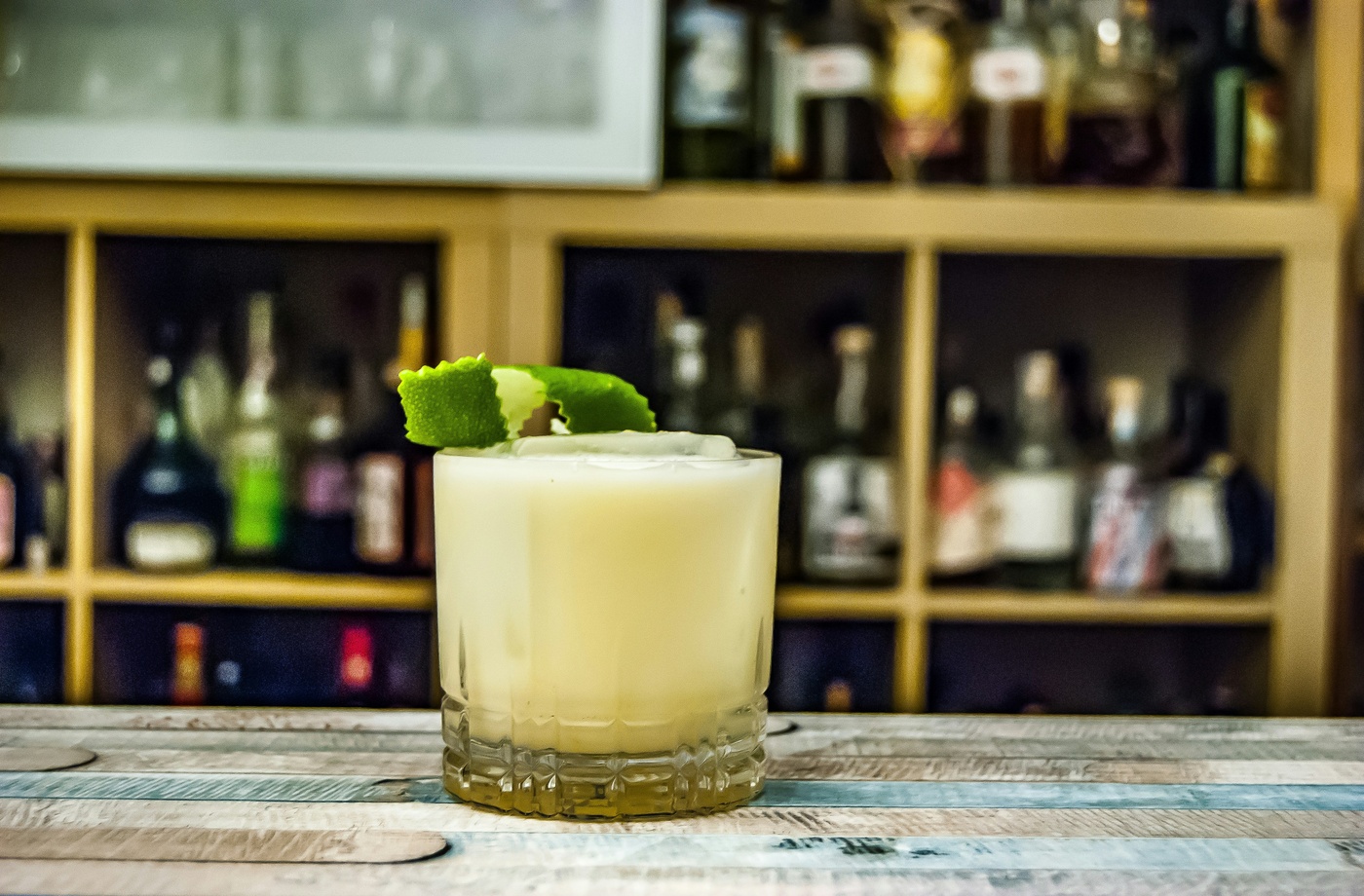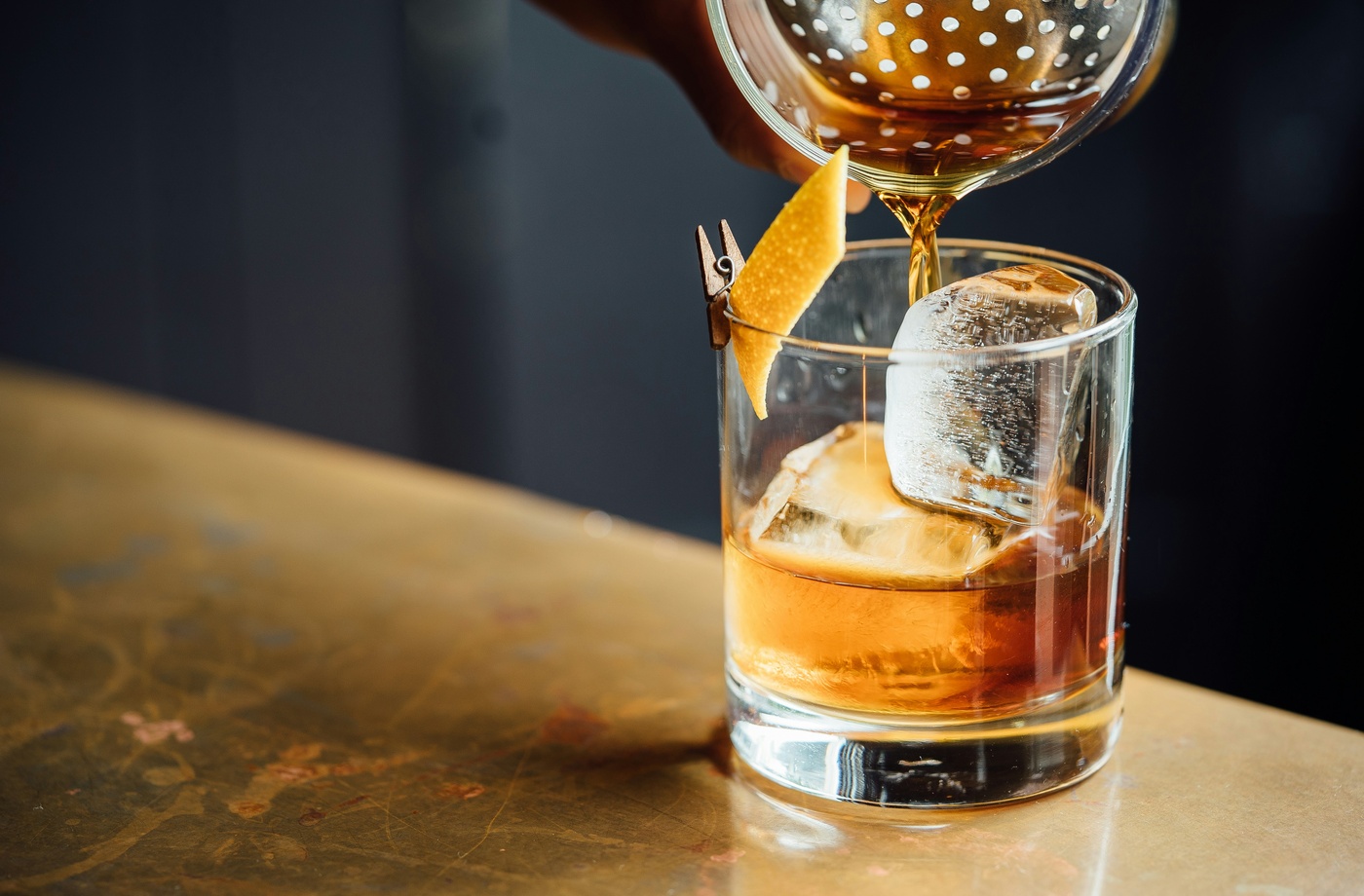
Ever wonder why you feel like you’re getting a great deal during happy hour—even when your tab creeps up faster than expected? That’s no accident. Bars and restaurants use a mix of psychology, pricing strategy, and social cues to influence what—and how much—you order. But once you understand these tactics, you can still enjoy the savings without falling into the trap. Here’s a breakdown of how happy hour pricing works, and how to make it work for you.
The anchoring effect: setting a “bargain” baseline
One of the most common pricing strategies during happy hour is anchoring. Bars display higher regular menu prices so the discounted prices appear more attractive by comparison. For instance, a $6 cocktail that’s normally $12 feels like a steal—but only because your brain is anchored to the full price.
Solution: Compare prices across bars using tools like Yelp or check menus ahead of time on sites like Happy Hour Finder. If the “deal” is just a smaller pour or watered-down version, it might not be worth it.
Loss leader drinks: drawing you in to spend more
Happy hour pricing often includes one or two standout items—like $4 draft beers or $5 margaritas—to lure you in. These are known as loss leaders, and the goal is to get you through the door so you’ll order more full-priced items.
Solution: Stick to your plan. If you’re coming in for discounted drinks, don’t get sidetracked by premium cocktails or high-margin appetizers unless you’ve budgeted for them. Or, take advantage of both by choosing bars with affordable food and drinks, such as BJ’s Restaurant & Brewhouse or Chili’s.
Groupthink and social ordering pressure
When friends start ordering second or third rounds, it’s easy to follow suit—even if you’re not thirsty. Bars count on this herd behavior to increase your tab without anyone noticing.
Solution: Pace yourself. Start with water or sip slowly. If you’re planning ahead, split a pitcher at a place like Buffalo Wild Wings and earn cashback with a Buffalo Wild Wings gift card so you save while staying social.
Price rounding to make drinks feel cheaper
Bars often price drinks at $4.95 or $5.99 to create the illusion of value. Even though the difference is pennies, customers perceive it as noticeably cheaper than a full-dollar price.
Solution: Round up in your head when budgeting for drinks so you’re not surprised by your total when tax and tip are added.
Time constraints to create urgency
Happy hour usually runs for a limited window—typically 3 to 6 p.m.—which creates a sense of urgency to buy before time runs out. This often leads to over-ordering or rushed decisions.
Solution: Know the menu beforehand so you’re not pressured into buying more than you need. Use OpenTable or Eater to browse menus and choose bars with extended happy hours or all-day specials.
How to really win happy hour
- Visit bars that stack drink and food deals together
- Choose shareable drinks like pitchers or carafes for groups
- Use loyalty programs like My Chili’s Rewards or BJ’s Premier Rewards
- Pay with a Chili’s gift card and earn cashback or save money with a BJ’s Restaurant gift card using Fluz
Final round: drink smart, not just cheap
Bars use psychology to increase your tab—but once you’re aware of the tactics, you can avoid overspending while still enjoying the best parts of happy hour. Be strategic, plan your order, and take advantage of digital tools and rewards to drink well without falling for the upsell.